What works, what helps, what wastes your money.
Filters, purifiers, ventilation, and the rest, graded against the research. What each one actually handles, what it misses, and the popular fixes that do not work at all.
Water
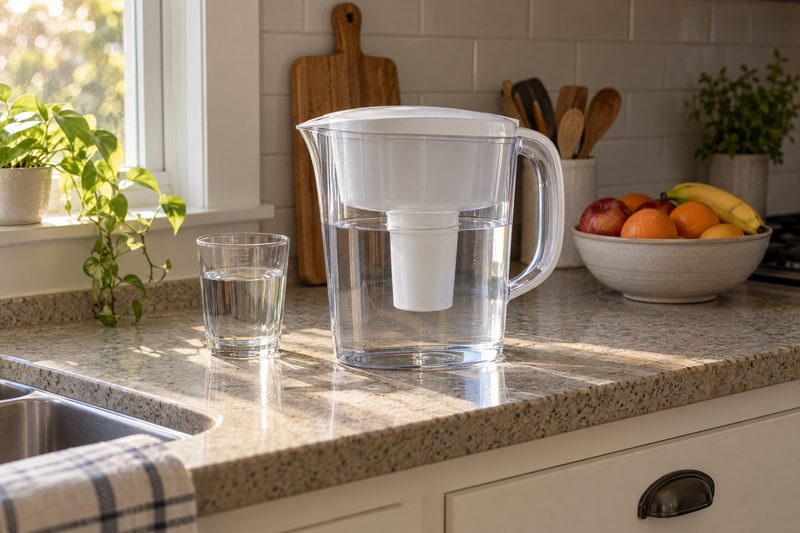
Pitcher and faucet filters For chlorine taste, yes, a pitcher filter (the Brita style) earns its spot in the fridge.
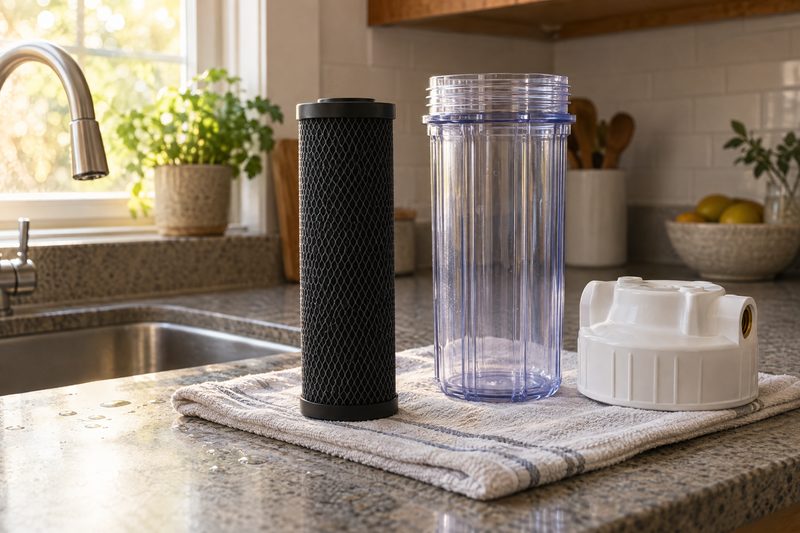
Under-sink carbon filters Under-sink carbon filters solve the chlorine side of tap water: the taste, the disinfection byproducts chlorine leaves behind, solvent-type chemicals, and lead when the unit carries a lead certification.
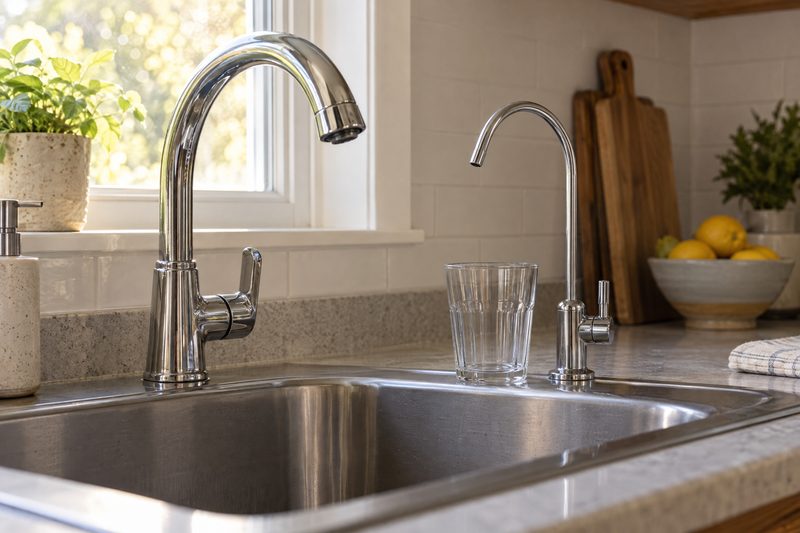
Reverse osmosis Yes, reverse osmosis works, and it covers more water problems at once than any other filter you can put in a home.
- Whole-house carbon and shower filters A carbon tank where the water enters your home treats every tap, so it covers the air you breathe in the shower and bath, on top of the water you drink at the kitchen sink.
- Water softeners An ion-exchange softener does the one job it is sold for, and does it well.
Air
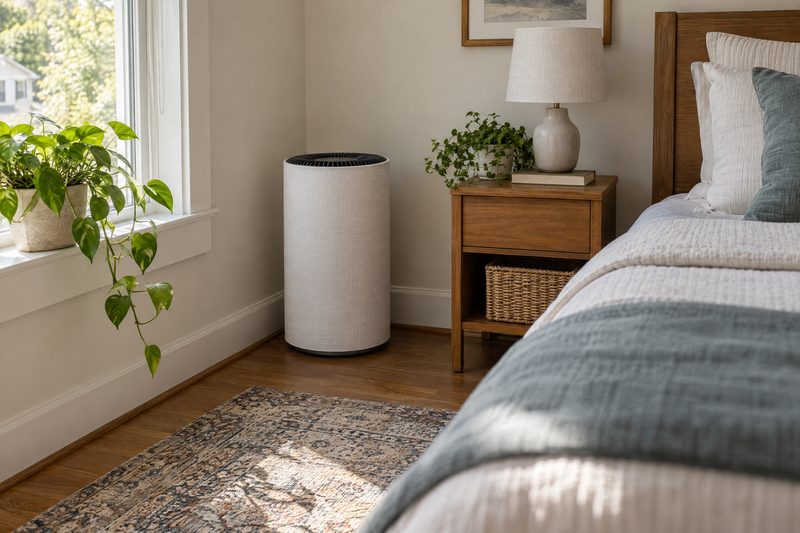
HEPA air purifiers A true HEPA purifier is among the best-evidenced tools in home air quality.
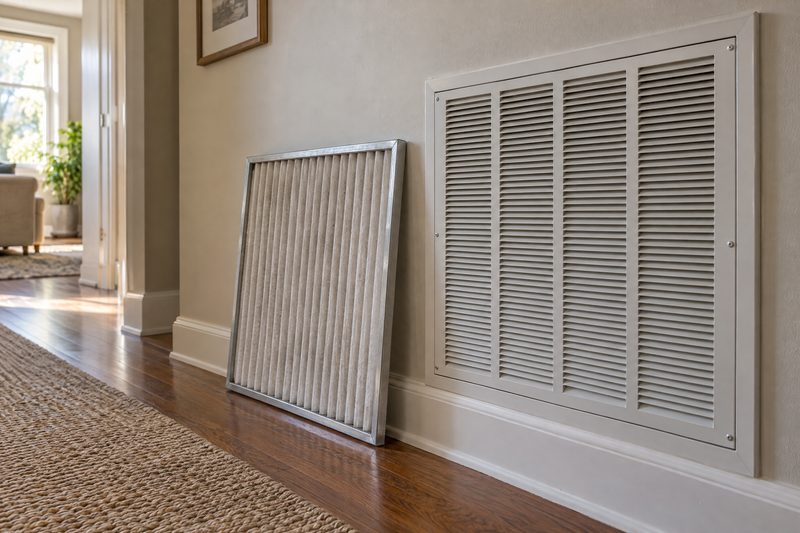
HVAC filters (MERV ratings) A MERV-13 filter in your central system, MERV being the furnace-filter rating scale, is the cheapest way to drop particle levels across the whole house.
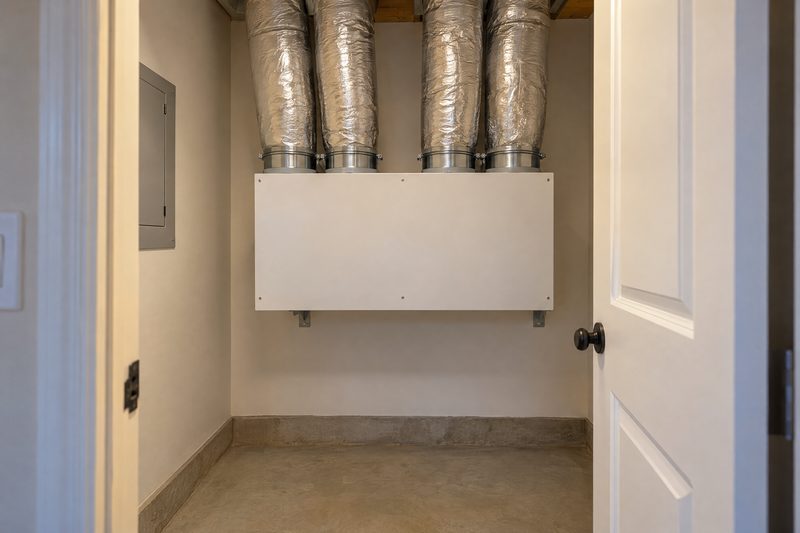
Mechanical ventilation (ERV / HRV) A whole-house ventilator brings filtered outdoor air into every room without throwing the windows open in summer or winter.
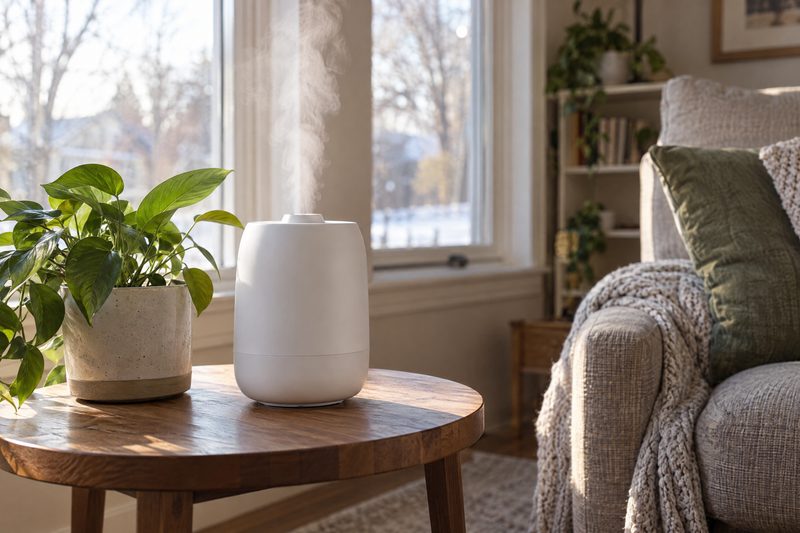
Humidifiers and dehumidifiers Humidifier vs dehumidifier comes down to one reading.
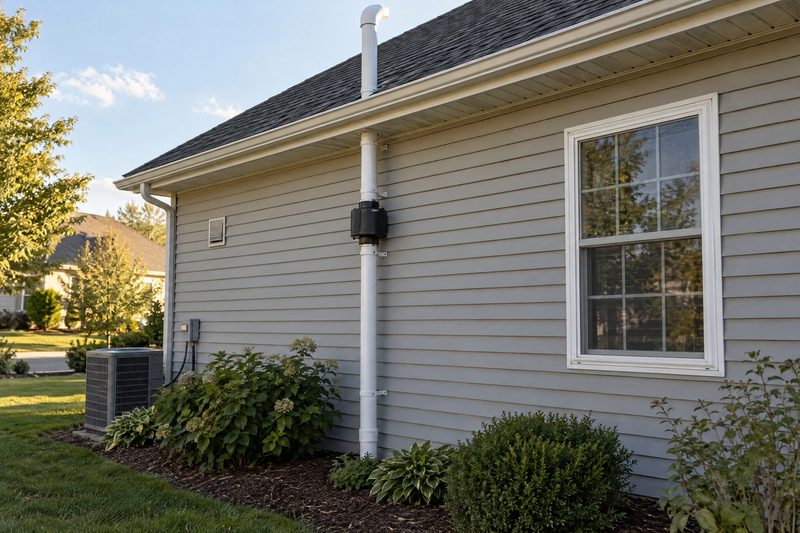
Radon mitigation (sub-slab depressurization) Sub-slab depressurization is the established fix, with decades of settled engineering behind it.